



The investments are improving conditions for cultural activities, performances and sports, helping preserve ethnic traditions and enriching community life.
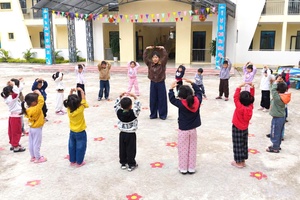
Villages and hamlets need suitable places to rehearse performances, discuss community matters and hold festivals. For many highland communities, a hall with enough space, tables, chairs and basic equipment would meet a practical need.
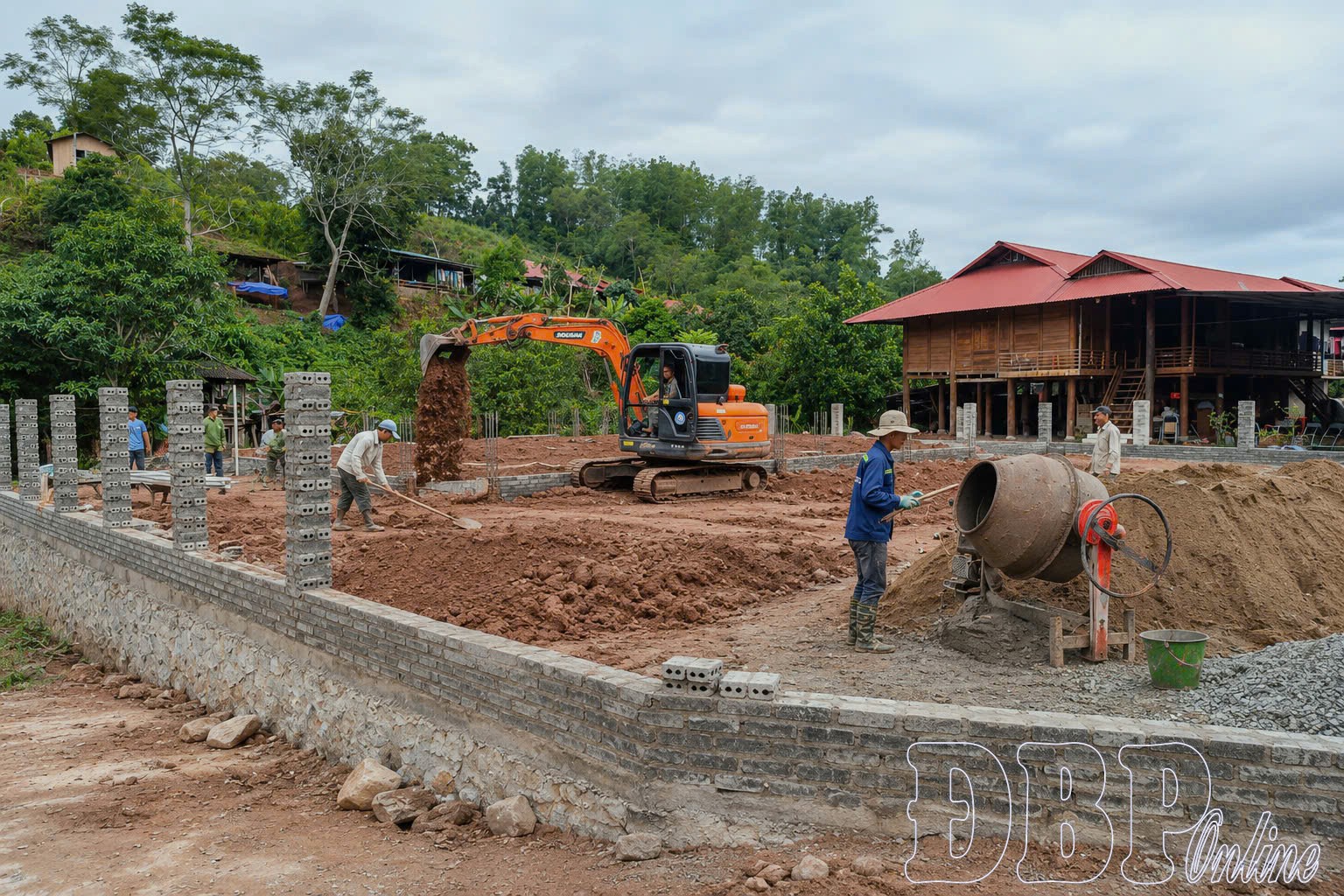
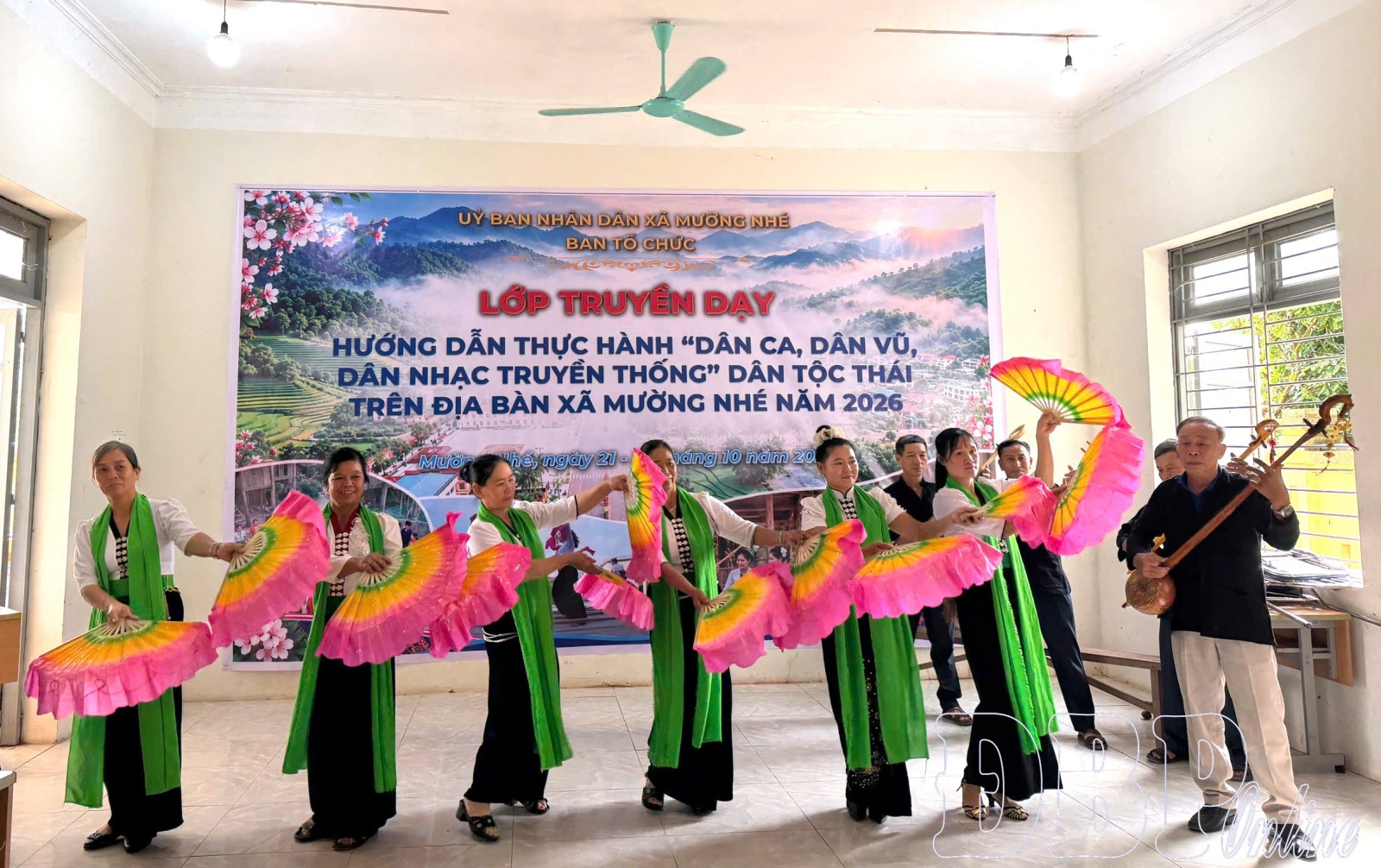
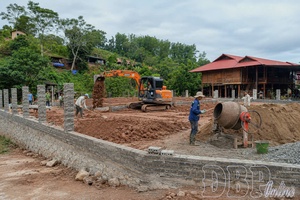
In Phiêng Vai village, Nậm Kè commune, a community hall received funding for 2026-2027. Nậm Kè commune People’s Committee Chairman Nguyễn Tiến Thành said the VND 3.15 billion project is financed through the 2025-2035 national target program for cultural development. The single-story building has a construction area of 263.84 square meters and seats 200. Once completed, it will host meetings, cultural events and other village activities. Performance groups will have somewhere to rehearse, and residents will be able to practice and pass on their traditional songs and dances.
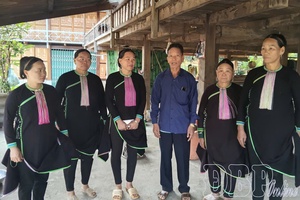
Phiêng Vai Village Head Lò Văn Nguyễn said residents welcomed the investment. Once the hall opens, the village will organize cultural activities, performances and sports. Village leaders will encourage residents to take part regularly so the facility continues to serve the community over time.
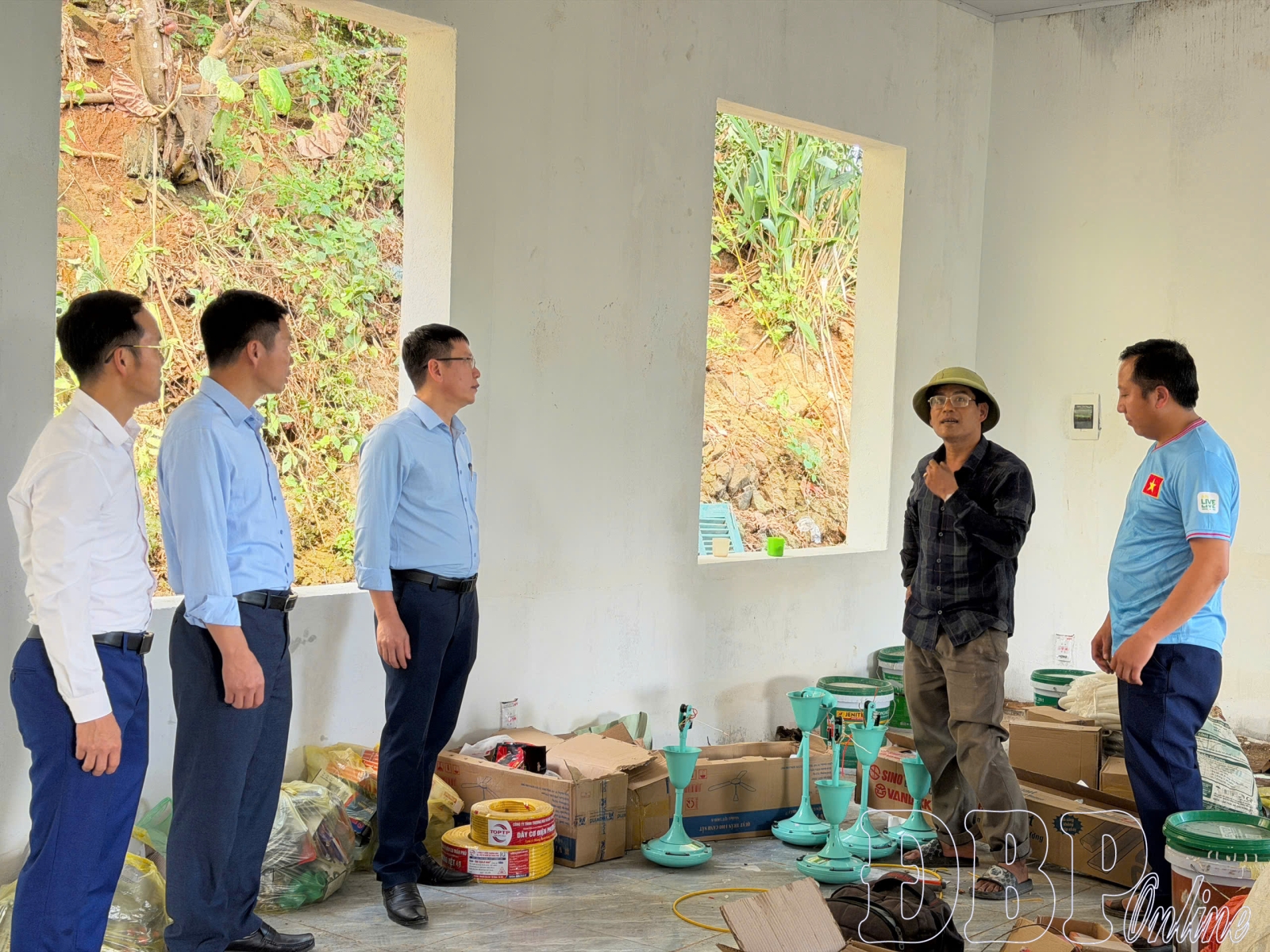
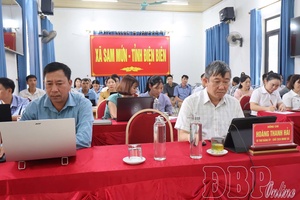
Localities are also reviewing, reorganizing and upgrading existing halls, especially after mergers of villages, hamlets and residential groups. Tìa Dình commune reviewed facilities across 15 villages and hamlets. Commune People’s Committee Chairman Bùi Xuân Thức said the commune was drawing on different funding sources to build or renovate three halls in Huổi Tống, Huổi Vang and Trống Dình, based on the condition of facilities and local needs. Areas without halls or with inadequate facilities will be considered for phased investment in 2026-2030.
Depending on local conditions, authorities are repairing deteriorating buildings, expanding existing halls or building new ones. This allows them to prioritize spending and ensure the finished facilities are large enough and suited to residents’ needs.
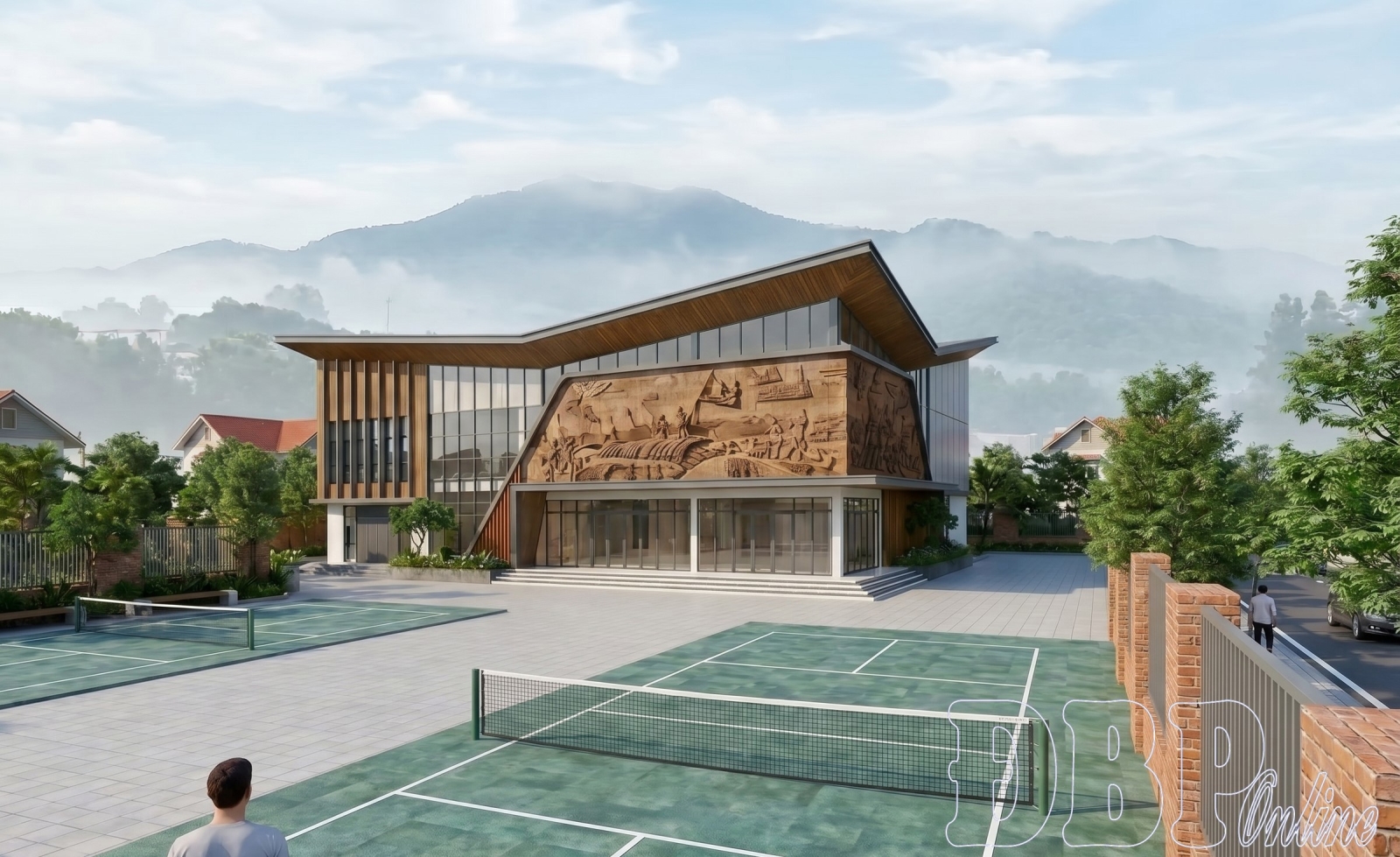
New halls are also being built to meet demand for public gathering spaces in urban areas. A single-story community hall covering more than 1,700 square meters is under construction in Điện Biên Phủ ward. It will hold 350 people and cost VND 15 billion. Nguyễn Tài Cường, representing the project owner as Deputy Director of the Điện Biên Phủ ward Project Management and Land Fund Development Board, said the board was following the approved design and regularly checking that contractors had enough workers and equipment to stay on schedule. Some components are already complete, and work on the rest is continuing as planned. The building will make it easier for residents to attend meetings, cultural activities, performances and other community events.
The Department of Culture, Sports and Tourism says 700 of the province’s 888 villages, hamlets and residential groups have community halls, or 78.8%. Of those halls, 308 meet the Ministry of Culture, Sports and Tourism’s standards. The province also has 147 sports grounds and training areas and 33 multipurpose playgrounds and practice areas. These facilities host community gatherings, help communicate Party guidelines and state policies and laws, and support local cultural and sports activities. They help preserve cultural identity and strengthen ties among residents.
Alongside public investment, residents help pay for televisions and portable speakers and volunteer their time to improve the grounds. Their involvement supplies equipment the halls need, improves conditions for activities and encourages residents to take responsibility for managing, maintaining and using the buildings.
Access remains uneven. Across the province, 188 villages, hamlets and residential groups still lack a community hall. Some meet in preschools, government offices or village heads’ homes. Many buildings have deteriorated or lack equipment, and inadequate sound and lighting affect the quality of events and make it harder to attract participants.
Local authorities need to keep directing funds to communities without halls and to those whose buildings are run-down or too small for their populations after mergers. Construction and repairs should include equipment and arrangements for management and maintenance so the halls can function once handed over.
That approach is consistent with a plan approved by the Prime Minister in Decision No.2154/QĐ-TTg to make better use of cultural and sports facilities and public spaces for exercise and to promote a culture of health. The plan runs from 2026 to 2030, with a vision to 2045. It covers facilities, equipment and ways to manage, operate and use them that suit each area, giving priority to ethnic minority communities and areas facing hardship or exceptional hardship.
In Điện Biên’s highland villages and hamlets, well-equipped and well-run halls give residents somewhere to meet, spend time together and keep cultural activities, performances and sports going. They help preserve ethnic traditions and enrich community life.
Đào Phương







You have 500/500 characters left
Please enter 5 or more characters!!!